

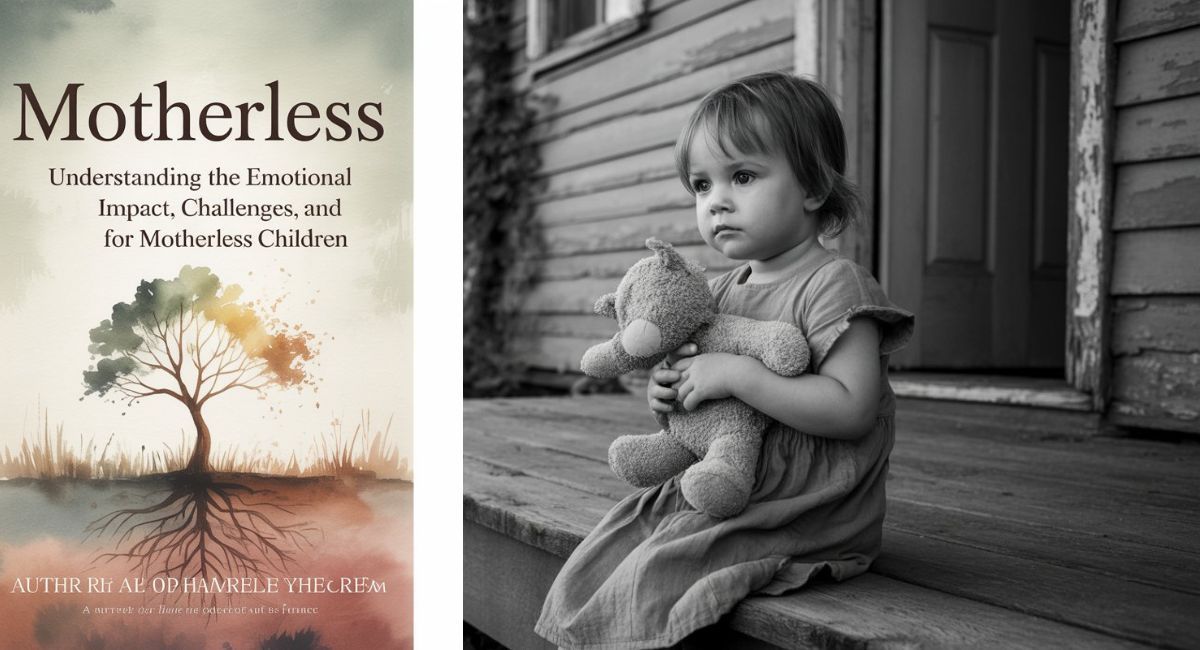
Growing up motherless can shape a person’s emotions, identity, and life journey in powerful ways. When a child experiences losing a mother, the absence often creates a deep sense of confusion and longing. Many motherless children struggle to understand why their world suddenly changed. The impact of mother loss can influence relationships, confidence, and emotional development for years. For some, life without a mother means relying on grandparents, relatives, or community members for guidance and support. While the pain of absence never completely disappears, many people discover resilience and strength through shared experiences, caring mentors, and supportive communities that help them move forward and rebuild a sense of belonging.
Motherless: Understanding the Emotional Impact, Challenges, and Healing for Motherless Children
Growing up motherless changes the emotional landscape of a child’s life. A mother often represents safety, comfort, and guidance. When that presence disappears, children experience a complex mixture of grief, confusion, and resilience. Across the United States, millions of motherless children and motherless daughters navigate daily life while coping with losing a mother or dealing with maternal absence. These experiences shape identity, relationships, and emotional development in powerful ways.
Researchers often say the impact of mother loss reaches far beyond childhood. It affects how individuals view love, security, and belonging. Children who experience growing up without a mother frequently wrestle with mother loss grief, especially during milestones like graduations, weddings, or the birth of their own children. At the same time, many people learn to build strong communities and support systems that help them move forward. Understanding the emotional impact of mother loss allows families, educators, and communities to provide better care and empathy for those living life without a mother.
What Does Motherless Mean?
The word motherless describes a person who grows up without their mother due to death, separation, or abandonment. This situation can create childhood without mother experiences that influence emotional growth and family dynamics. Experts explain that the absence of a maternal figure often leads to questions about identity and belonging. Children facing mother abandonment or family separation may also struggle with understanding why their mother is not present.
Beyond the literal definition, being motherless also carries cultural and emotional meaning. Stories about missing mothers appear in literature, psychology studies, and social research because they reflect the deep connection between a child and a parent. Many narratives explore the motherless children theme, where characters search for identity and healing after loss. These stories often explore family lineage and heritage, revealing how family lineage loss influences the way individuals understand their roots and personal history.
A motherless child grows up without a mother’s daily presence or care. Sometimes death causes the loss. Other times separation or abandonment creates the gap. The emotional space can feel huge. Many children struggle with maternal absence and mother loss grief while shaping identity and confidence.
Growing up motherless doesn’t always mean growing up without love. Grandparents, relatives, or guardians often step in. Still, many children quietly wonder about the missing bond. That longing can shape relationships later. Experts often link it with family separation and childhood emotional development.
Why the Motherless Experience Feels So Powerful
Losing a mother changes how children understand safety and belonging. The motherless experience can affect trust, attachment, and emotional security. However strong communities can help healing. Support networks reduce emotional trauma and strengthen family support systems.
Motherless Children
Across the United States, thousands of motherless children grow up in households led by grandparents, relatives, or guardians. These caregivers often step in through child guardianship, providing stability during a difficult transition. Sociologists explain that families adapt through shared responsibility, where relatives or community members take on caregiving responsibilities to ensure children receive emotional and practical support.
In many cases, these families develop strong bonds that resemble extended families rather than traditional households. This environment sometimes leads to found family relationships, where emotional connection replaces biological ties. Such support systems show the power of community upbringing, demonstrating how shared care and understanding can help children navigate motherless childhood struggles and rebuild a sense of belonging.
| Situation | Common Outcome | Support System |
| Death of mother | Grief and emotional adjustment | Family and counseling |
| Mother abandonment | Identity and trust challenges | Guardians or foster care |
| Family separation | Long-term emotional impact | Extended relatives |
Emotional Effects of Growing Up Motherless
The emotional journey of growing up without a mother often begins with grief. Children may experience sadness, confusion, and fear when the person who once provided daily comfort is gone. Psychologists describe this as the trauma of losing a mother, which can influence emotional health for many years. The absence can also weaken the traditional mother daughter relationship, leaving daughters to seek guidance elsewhere.
Over time, these emotions may develop into deeper reflections about identity. Individuals often think about their past through memories and imagination. Literature and psychology describe this reflection through ghosts and memories symbolism, where memories of a mother continue shaping decisions and emotional responses. This internal dialogue highlights the generational trauma that sometimes follows life after losing a mother, especially when unresolved grief continues across family generations.
Psychological Impact of Losing a Mother

The psychological effects of losing a mother can be significant. Children who experience mother loss grief sometimes develop anxiety or depression, especially during adolescence. Studies from the United States show that parental loss can influence self-esteem and emotional regulation. This is why therapy and counseling are often recommended for those facing mother loss healing.
Mental health professionals also highlight how the absence of maternal guidance can create feelings of emotional loneliness. Without the familiar mother daughter bond, individuals may struggle to build trust in relationships. Over time, however, many people develop resilience by building strong friendships and support networks that replace missing emotional connections.
Challenges Motherless Children Often Experience
Daily life presents unique challenges for motherless children. School activities, holidays, and family celebrations may remind them of the absence they feel at home. These moments intensify the emotional impact of mother loss, especially when classmates share stories about their mothers. Such experiences can create social isolation or feelings of difference.
Another challenge relates to understanding family identity. Without maternal stories and guidance, children may feel disconnected from their heritage. This gap can create uncertainty around family identity and belonging, especially when cultural traditions are lost. In some communities, these experiences intersect with historical family separation, where social and economic forces have long disrupted family structures.
Support Systems That Help Motherless Children Heal
Healing begins when children receive consistent emotional support. Families often step in to fill the gap through shared responsibility and guidance. Grandparents, aunts, and mentors help maintain stability by sharing traditions and family stories. This sense of connection reinforces the idea that family responsibility extends beyond biological parents.
Communities also play a powerful role in recovery. Schools, support groups, and counseling programs provide safe spaces for emotional expression. Many organizations across the United States focus on community support for motherless children, encouraging open conversations about grief and resilience. These networks often create meaningful connections that strengthen community upbringing and help individuals rediscover hope.
Ways Motherless Children Can Cope With Loss
Coping with loss requires both emotional awareness and practical support. Therapists often encourage children to talk about their feelings and create positive routines. Journaling, creative expression, and community engagement can help individuals process mother loss grief and develop healthier coping strategies.
Another helpful approach is building meaningful relationships with trusted adults. Mentors, teachers, and relatives can provide guidance similar to parental support. Through these connections, individuals learn to rebuild confidence and understand that healing is possible even after the trauma of losing a mother
.
| Coping Method | Benefit |
| Counseling and therapy | Emotional healing |
| Community groups | Shared experiences |
| Journaling or art | Expression of grief |
| Mentorship | Guidance and support |
Honoring and Remembering a Mother
Many people choose to honor their mothers through meaningful traditions. Some families celebrate birthdays or anniversaries by sharing stories and memories. These rituals help preserve the mother daughter bond even after loss and remind families that love continues beyond physical presence.
Memory also plays an important role in healing. Keeping photographs, letters, or personal items allows individuals to reconnect with their past. These actions reinforce the idea of maternal sacrifice, highlighting how mothers often shape their children’s lives through dedication and care even when they are no longer present.
How Society Can Support Motherless Families
Society plays a crucial role in supporting individuals living life without a mother. Educational institutions can create supportive environments by recognizing the emotional challenges faced by students experiencing loss. Teachers who show empathy and understanding can help children feel safe discussing their feelings.
Public awareness is also essential. When communities acknowledge the realities of women’s life struggles, unplanned motherhood, and social pressures, they create space for compassionate policies and programs. These efforts address broader issues such as rural and urban migration, economic hardship, and the cultural history of Southern culture and society, particularly within communities connected to Black family heritage.
Motherless Children: Understanding the Pain, Impact, and Support After Losing a Mother
What Does “Motherless” Mean?
- Motherless definition
- Motherless children and daughters
- Emotional meaning of losing a mother
The Emotional Impact of Losing a Mother
- Grief and trauma
- Long-term emotional effects
- Mental health challenges
Challenges Faced by Motherless Children
- Childhood struggles
- Identity and belonging issues
- Social and emotional difficulties
How Mother Loss Affects Life Stages
- Losing a mother in childhood
- Losing a mother in teenage years
- Losing a mother in adulthood
The Psychological Effects of Mother Loss
- Anxiety and depression
- Attachment issues
- Self-confidence problems
Coping With the Loss of a Mother
- Healthy ways to process grief
- Therapy and counseling
- Personal healing strategies
The Importance of Support Communities
- Support groups for motherless daughters
- Online communities
- Sharing personal stories
Ways to Honor and Remember a Mother
- Memorial traditions
- Mother’s Day remembrance ideas
- Creating lasting memories
Awareness Campaigns and Support Organizations
- Mother Loss Awareness Week
- Non-profit organizations
- Research and advocacy
How Society Can Support Motherless Children
- Role of family and friends
- Schools and community support
- Building a compassionate environment
Motherless: Understanding the Emotional Impact, Challenges, and Support for Motherless Children
What Does Motherless Mean?
The Real Definition of Being Motherless
Common Reasons Children Become Motherless in the United States
Differences Between Mother Loss, Absence, and Abandonment
Motherless Children
Why Motherless Children Face Unique Emotional Challenges
The Role of Caregivers, Guardians, and Extended Family
Social and Developmental Effects on Motherless Children
Emotional Effects of Growing Up Motherless
Grief and Long-Term Emotional Trauma
Self-Identity and Belonging Struggles
How Mother Loss Shapes Adult Relationships
Psychological Impact of Losing a Mother
Anxiety, Depression, and Attachment Issues
How Early Mother Loss Influences Mental Health
Research Findings on Motherless Children in the USA
Challenges Motherless Children Often Experience
School and Social Difficulties
Feeling Different From Other Children
Emotional Gaps During Major Life Events
Support Systems That Help Motherless Children Heal
The Role of Family and Community Support
Therapy, Counseling, and Emotional Guidance
Support Groups for Motherless Children in the USA
Ways Motherless Children Can Cope With Loss
Healthy Emotional Coping Strategies
Building Strong Relationships and Trust
Finding Purpose After Mother Loss
Honoring and Remembering a Mother
Meaningful Traditions and Memorial Practices
Celebrating Mother’s Day Without a Mother
Preserving Family Memories and Legacy
How Society Can Support Motherless Families
Community Awareness and Compassion
School and Workplace Support Systems
National Organizations Helping Motherless Children
Frequently Asked Questions About Being Motherless
What does it mean to be motherless?
How does growing up motherless affect adulthood?
Can motherless children live happy and successful lives?
What support resources exist in the United States?
Conclusion
The experience of being motherless shapes lives in ways both painful and transformative. Children facing growing up without a mother often encounter emotional challenges, identity questions, and moments of deep grief. Yet many also discover resilience through family, community, and personal growth. The journey of life after losing a mother reminds us that healing rarely happens alone.
Understanding these experiences allows society to respond with empathy and support. By strengthening families, expanding counseling resources, and encouraging community care, we help those facing motherless childhood struggles rebuild hope. In doing so, we acknowledge that even after loss, connection, compassion, and healing remain possible.
FAQs
What does it mean to be motherless?
Being motherless means a person grows up without their mother because of death, mother abandonment, or family separation. Many motherless children experience emotional challenges while adjusting to life without a mother, especially during important childhood and family milestones.
How does losing a mother affect a child emotionally?
The emotional impact of mother loss can include sadness, confusion, and feelings of emotional loneliness. Many children struggle with mother loss grief and the trauma of losing a mother, particularly when the mother daughter relationship was strong or suddenly interrupted.
Can motherless children still live happy and successful lives?
Yes. Many motherless children grow into strong adults with fulfilling lives. With family guidance and community support for motherless children, they learn resilience and develop healthy relationships despite growing up without a mother.
What are common challenges faced by motherless daughters?
Motherless daughters often struggle with identity, confidence, and navigating adulthood without maternal guidance. They may feel the absence of the mother daughter bond, which can affect personal relationships and self-understanding during different stages of life after losing a mother.
How can someone heal after losing a mother?
Healing after losing a mother usually involves emotional expression, counseling, and strong family connections. Activities that support mother loss healing, such as therapy, support groups, and remembering loved ones, help individuals manage grief and gradually adapt to life without a mother.
